Source tube-fin alcohol radiator parts for Condensers Vaporizers Coolers
Find 28 tube-fin alcohol radiator parts from verified Chinese suppliers. Compare models like HT408 and 1092 with certifications including CE, ISO, and CCC for use in condensers, vaporizers, and coolers.
Key considerations
Products List


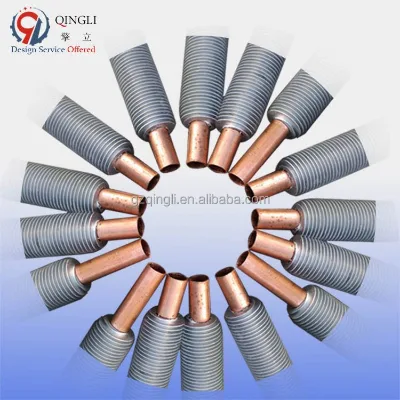


High Performance Aluminum Plate Fin Custom Oil Cooler Radiator Manufacturer
$965.00 - $999.00
MOQ: 1 Pieces


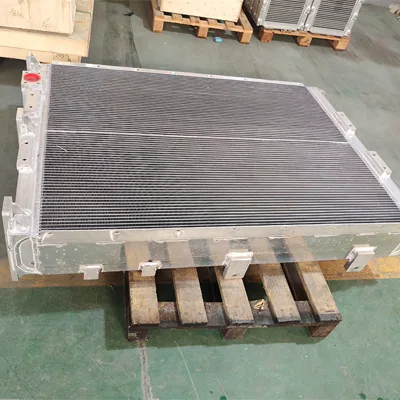
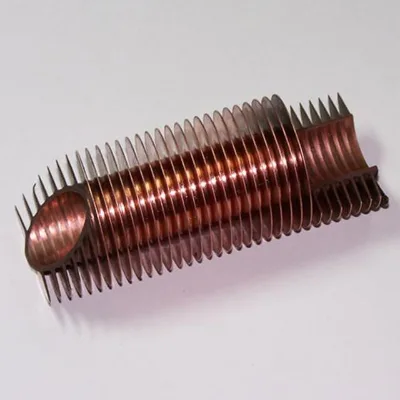


Negotiable
MOQ: 30 Pieces
Comprehensive Sourcing Guide
Strategic Sourcing Guide for Tube-Fin Alcohol Radiator Parts
Understanding Technical Specifications and Core Design
When sourcing tube-fin alcohol radiator parts, buyers must first establish a precise understanding of the underlying engineering principles and physical configurations available in the market. The core component in this category is the radiator itself, which functions as a heat exchanger designed to manage thermal loads through the circulation of specific fluids. In the context of alcohol-based cooling systems, the fluid type is explicitly identified as alcohol, necessitating materials and construction methods that resist corrosion and maintain structural integrity under specific chemical interactions.
The physical architecture of these units varies significantly based on the intended application. The observed market data indicates that tube-fin radiators are constructed using a "Tube-fin" core type, often utilizing a "Direct-flow" or "Cross-flow" configuration. The direct-flow design typically allows for a more straightforward path of fluid movement, while cross-flow arrangements may offer different pressure drop characteristics depending on the system layout. The tube type itself is a critical variable, with available options including Coiled, Rolled, Plate-Fin, and Welded types. Each of these tube configurations offers distinct advantages regarding surface area, heat transfer efficiency, and mechanical durability. For instance, welded types may provide superior leak resistance, whereas rolled types might offer enhanced flexibility in manufacturing.
Material selection is paramount for the longevity of these components. The primary body materials observed in this sector are Aluminium and Steel. Aluminium is frequently chosen for its high thermal conductivity and lightweight properties, making it ideal for applications where weight reduction is a priority, such as in automotive or mobile cooling units. Conversely, steel offers robust mechanical strength and is often selected for heavy-duty industrial applications. The specific alloy composition can be customized, allowing suppliers to tailor the material properties to meet unique operational requirements. The structure of the radiator is also a key specification; options range from "Sealed Type" units, which are designed to prevent fluid leakage and maintain pressure, to open systems.
Furthermore, the application scope for these tube-fin alcohol radiators is broad. They are utilized in diverse environments including condensers, vaporizers, coolers, and heaters. The principle of operation often involves a "Recuperative Heat Exchanger" mechanism, where heat is transferred from a hot fluid to a cold fluid without mixing. This is particularly relevant in industrial settings where recovering waste heat is essential for energy efficiency. The cooling fluid brand and type, such as "Great Wall" alcohol or "Industrial Water," must be compatible with the chosen materials to prevent degradation. Buyers should verify that the specific alloy and body material are certified to handle the chemical properties of the intended cooling fluid to avoid premature failure.
Compliance, Certification, and Regulatory Standards
Navigating the regulatory landscape is a critical step in the procurement of tube-fin alcohol radiator parts. Compliance ensures that the purchased components meet international safety, quality, and environmental standards, which is essential for market access and operational safety. The market data reveals a variety of certifications associated with these products, indicating that suppliers operate under different regulatory frameworks depending on their origin and target markets.
Key certifications observed in the supply chain include CE, ISO, GOST, and CCC. The CE mark signifies conformity with health, safety, and environmental protection standards for products sold within the European Economic Area. For buyers targeting European markets, verifying the presence of the CE certification is non-negotiable. Similarly, ISO certifications, such as ISO 9001 for quality management, indicate that the supplier adheres to internationally recognized standards for consistency and quality control. The GOST certification is specific to the Eurasian Economic Union, suggesting that the product is suitable for markets in Russia and surrounding regions. The CCC mark is the China Compulsory Certification, mandatory for products sold within the Chinese domestic market.
In addition to product certifications, buyers must pay close attention to the standards governing the physical dimensions and construction of the radiators. The observed standards include specific thread sizes such as 3/8" and 1/2", which are crucial for ensuring compatibility with existing piping and fluid systems. Packaging standards are also relevant, with options ranging from "Paper Card and Blister" for retail or smaller components to "Plywood Box" and "Wooden Pallet" for bulk industrial shipments. These packaging methods are designed to protect the delicate tube-fin structures during transit.
It is important to note that while these certifications are present in the market data, they are not universal to every listed product. Buyers must explicitly verify that the specific unit they intend to purchase carries the necessary certifications for their region. For example, a product certified under GOST may not automatically meet CE requirements without additional testing. Similarly, the "Customized" standard option suggests that some manufacturers offer bespoke compliance solutions, but these must be documented and verified through third-party testing reports. Buyers should request copies of valid certification documents before finalizing any order to ensure that the supplier's claims are accurate and up-to-date.
Cost Drivers and Pricing Dynamics
The pricing of tube-fin alcohol radiator parts is influenced by a complex interplay of factors, including material costs, manufacturing complexity, order volume, and logistical requirements. The observed price range in the market spans from $0.50 to $15,000 USD, reflecting the vast diversity in product size, complexity, and application. This wide range underscores the importance of defining precise requirements before engaging with suppliers to avoid budget overruns or under-specification.
Material costs are a primary driver of price variation. Aluminium and steel are the dominant materials, but the specific alloy composition and the thickness of the metal used can significantly impact the final cost. Customized alloys, which may offer enhanced corrosion resistance or thermal properties, typically command a higher price point than standard grades. The manufacturing process also plays a crucial role; radiators with complex tube types such as "Coiled" or "Welded" configurations require more intricate machinery and labor, leading to higher production costs compared to simpler "Rolled" or "Plate-Fin" designs.
Order volume is another critical factor. The Minimum Order Quantity (MOQ) ranges from 1 unit to 1,000 units, with some suppliers specifying an MOQ of 1 Ton for bulk industrial orders. Buyers purchasing small quantities may face higher per-unit costs due to the fixed overheads of setup and production. Conversely, larger orders can leverage economies of scale to reduce the unit price. However, buyers must balance the cost savings of bulk purchasing against their inventory holding costs and cash flow constraints.
Logistics and shipping methods also contribute to the total cost of ownership. The observed shipping options include Air and Sea freight. Air freight offers faster delivery times but at a significantly higher cost, making it suitable for urgent orders or low-volume, high-value items. Sea freight is more cost-effective for large, heavy shipments but involves longer lead times. The origin of the product, primarily from Ningbo and Guangzhou in China, influences shipping costs based on the buyer's location and the specific port of destination. Additionally, packaging requirements, such as the use of plywood boxes or wooden pallets, add to the overall cost but are necessary for protecting the product during transit.
Typical Applications and Operational Environments
Tube-fin alcohol radiator parts are engineered for a wide array of applications, ranging from automotive systems to heavy industrial processing. The versatility of these components allows them to be integrated into various thermal management systems where efficient heat exchange is critical. The primary applications identified include condensers, vaporizers, coolers, and heaters. In each of these scenarios, the radiator serves as a vital component in maintaining optimal operating temperatures and ensuring system efficiency.
In automotive and mobile cooling applications, the radiator type is often a "Finned Tube" design, which provides a high surface-area-to-volume ratio for effective heat dissipation. The "Direct-flow" and "Cross-flow" configurations are particularly useful in these contexts, allowing for compact designs that fit within tight engine bays or chassis structures. The use of alcohol as a cooling fluid in these systems is often driven by its low freezing point and high specific heat capacity, making it suitable for extreme temperature environments.
Industrial applications present different requirements. In chemical processing plants, alcohol radiators are used as condensers and vaporizers to manage the phase changes of various substances. The "Sealed Type" structure is preferred in these environments to prevent leaks and maintain pressure integrity. The "Recuperative Heat Exchanger" principle is frequently employed to recover waste heat from industrial processes, thereby improving overall energy efficiency. The ability to customize the material and tube type allows manufacturers to tailor these units to specific chemical compatibility and thermal load requirements.
The operational environment also dictates the choice of radiator. For instance, in systems where "Industrial Water" is used as a cooling medium, the radiator must be designed to handle potential scaling and corrosion issues. The "Digital Type" water temperature sensor mentioned in the market data suggests that modern systems often incorporate advanced monitoring capabilities to ensure precise temperature control. Buyers should consider the specific environmental conditions, such as ambient temperature, humidity, and exposure to corrosive agents, when selecting the appropriate radiator type. The "New" condition of the products indicates that these are manufactured components ready for immediate installation, rather than refurbished units, which is a key consideration for maintaining system reliability.
Supplier Evaluation and Selection Criteria
Selecting the right supplier for tube-fin alcohol radiator parts requires a rigorous evaluation process that goes beyond price comparisons. Buyers must assess the supplier's technical capabilities, quality assurance systems, and ability to meet specific customization requirements. The market data indicates that suppliers are located primarily in Ningbo and Guangzhou, China, which are known manufacturing hubs for automotive and industrial components. However, the presence of a location does not guarantee quality; buyers must verify the supplier's track record and capabilities.
One of the key criteria for supplier evaluation is the ability to offer customization. The market data explicitly states that "Customization" is available for various attributes, including material, model number, and standard. This flexibility is crucial for buyers with unique requirements that cannot be met by off-the-shelf products. Suppliers should be able to provide detailed engineering support to ensure that the customized components meet the necessary performance specifications.
Quality assurance is another critical factor. Buyers should request evidence of the supplier's quality management systems, such as ISO certifications, and inquire about their internal testing procedures. The presence of certifications like CE, CCC, and GOST is a positive indicator, but buyers must verify that these certifications are current and applicable to the specific products being purchased. Additionally, the supplier's ability to provide samples is a valuable asset. The market data notes that "Sample: Accept," which allows buyers to test the quality and fit of the components before committing to a larger order.
Logistical capabilities are also important. Buyers should evaluate the supplier's shipping options, lead times, and packaging standards. The ability to ship via Air or Sea freight provides flexibility in managing delivery schedules. The use of appropriate packaging, such as Plywood Boxes or Wooden Pallets, ensures that the products arrive in good condition. Finally, buyers should assess the supplier's responsiveness and communication skills, as these factors can significantly impact the success of the procurement process.
Quality Control and Long-Term Procurement Considerations
Ensuring the quality of tube-fin alcohol radiator parts is essential for the long-term reliability and safety of the systems in which they are installed. Buyers should implement a robust quality control strategy that includes pre-production inspections, in-process monitoring, and final acceptance testing. The "Condition: New" status of the products suggests that they are manufactured to high standards, but buyers must verify this through independent testing or third-party inspection services.
Long-term procurement considerations involve building a sustainable relationship with suppliers that can provide consistent quality and support over time. This includes establishing clear communication channels, defining performance metrics, and agreeing on service level agreements (SLAs). Buyers should also consider the availability of spare parts and the supplier's ability to provide technical support for troubleshooting and maintenance.
The customization aspect of these products adds a layer of complexity to quality control. When ordering customized radiators, buyers must ensure that the supplier has the necessary expertise to produce components that meet the specific design requirements. This may involve reviewing detailed engineering drawings, conducting prototype testing, and performing final acceptance inspections. The "Customized" standard option allows for flexibility, but it also requires careful management to ensure that the final product meets all specifications.
In conclusion, sourcing tube-fin alcohol radiator parts requires a comprehensive approach that balances technical specifications, compliance requirements, cost considerations, and supplier capabilities. By carefully evaluating these factors, buyers can secure high-quality components that meet their specific needs and contribute to the overall efficiency and reliability of their thermal management systems.
FAQs
What certifications are available for tube-fin alcohol radiator parts?
Available certifications include CE, ISO, GOST, and CCC. Buyers must verify specific units carry the required marks for their target region, as not every listed product satisfies all standards.
Which materials are used for the body of these radiators?
The primary body materials observed are Aluminium and Steel. Aluminium offers high thermal conductivity and lightweight properties, while steel provides robust mechanical strength for heavy-duty industrial applications.
Can the product specifications be customized for specific needs?
Yes, customization is available for materials, tube types, and standards. Suppliers offer options like Coiled, Rolled, Plate-Fin, or Welded tube types to match unique operational requirements.
Where are the manufacturers of these parts located?
Manufacturers are primarily located in Ningbo and Guangzhou, China. These locations influence shipping costs and lead times for both air and sea freight options available to buyers.
What is the minimum order quantity for bulk purchases?
The minimum order quantity ranges from 1 unit to 1,000 units. Some suppliers specify an MOQ of 1 Ton for bulk industrial orders, affecting per-unit pricing dynamics.
How are these radiators typically packaged for shipping?
Packaging options include Paper Card and Blister, Plywood Box, and Wooden Pallet. The choice depends on whether the shipment is for retail components or bulk industrial units requiring heavy protection.